
Walking into a grocery store without a plan can make a simple weekly shop take longer than expected. You might buy too much of one thing, forget something you actually need, or come home with fresh produce that never gets used.
A simple fresh produce shopping list can make a big difference.
The idea isn’t to create a complicated meal plan or spend hours organising your fridge. It’s about knowing what your household is likely to eat during the week, buying sensible quantities and choosing fruit and vegetables that can be used across several meals.
Whether you’re shopping for one person, a couple or a busy family, here’s a practical way to build your weekly fresh produce list.
Start With the Meals You Already Plan to Make
Before writing your shopping list, think about the meals you expect to prepare during the next seven days.
You don’t need to plan every breakfast, lunch and dinner in detail. Start with the main meals.
For example, your week might include:
- A vegetable stir-fry
- Chicken with salad
- A homemade curry
- Pasta with vegetables
- A Sunday roast
- BBQ vegetables and salad
Once you know what you’re cooking, you’ll have a much clearer idea of which vegetables, herbs and other ingredients you actually need.
This simple step can help prevent unnecessary purchases.
Divide Your Shopping List Into Categories
A long list of individual items can become difficult to follow while you’re shopping.
Instead, divide your weekly fruit and vegetable shopping list into a few simple categories.
Fruit
Think about the fruit your household normally eats throughout the week.
You might include:
- Apples
- Bananas
- Oranges
- Grapes
- Pears
- Seasonal fruit
- Berries
You don’t need every type of fruit available. Choose a mixture your family will realistically eat.
Vegetables
This is usually the largest section of a fresh produce list.
Consider the vegetables you use for everyday cooking, salads and side dishes.
For example:
- Potatoes
- Carrots
- Onions
- Tomatoes
- Capsicum
- Broccoli
- Cauliflower
- Spinach
- Lettuce
- Cucumber
Your list will naturally change depending on the meals you’re preparing.
Herbs and Fresh Ingredients
Fresh herbs can completely change a meal without requiring many extra ingredients.
Depending on your cooking style, you may want coriander, parsley, mint, curry leaves, spring onions, chillies or other fresh herbs.
Buying only what you are likely to use during the week can help reduce waste.
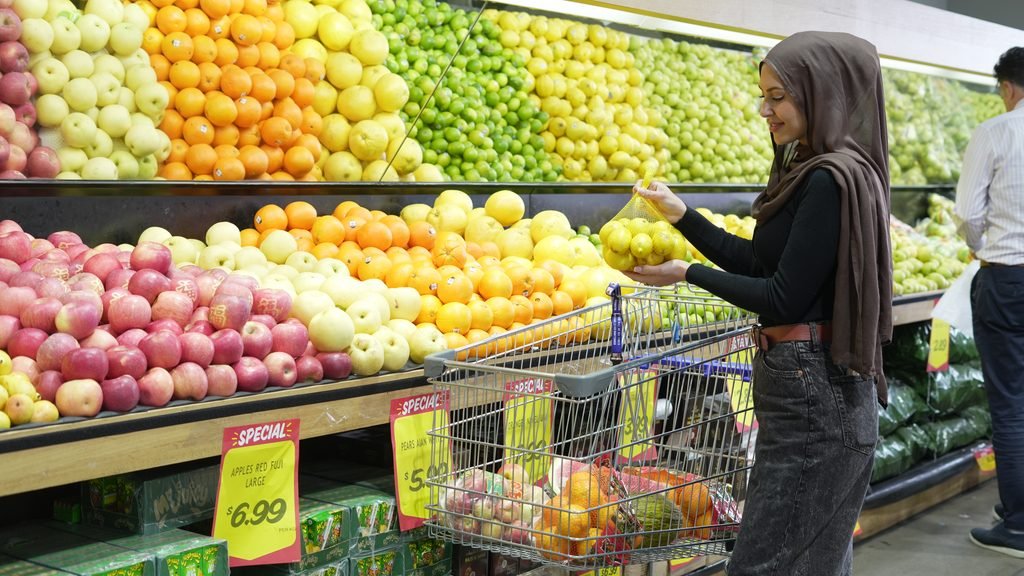
Think About How Many People You’re Feeding
The right amount of produce depends heavily on household size.
A shopping list for a family of five shouldn’t look the same as one for a single person.
Ask yourself:
How many people are eating this week?
Then consider how often you normally cook at home.
If your family eats vegetables with dinner most nights, you’ll naturally need more than a household that eats out several times a week.
It’s also worth considering children’s preferences. Buying large quantities of produce that nobody in the household enjoys is an easy way to end up with unnecessary food waste.
Choose Produce That Can Be Used in More Than One Meal
One of the easiest ways to make a weekly shop more efficient is to choose ingredients that work across different dishes.
For example, capsicum can be used in:
- Stir-fries
- Salads
- Omelettes
- Pasta
- Fajitas
- BBQ dishes
Similarly, tomatoes can be used in salads, sandwiches, curries, pasta sauces and many other meals.
When an ingredient has several uses, you’re more likely to finish it before it goes past its best.
Mix Long-Lasting and Quick-Use Produce
Not every fruit and vegetable needs to be eaten within a couple of days.
When building your list, combine produce that lasts well with items you plan to eat early in the week.
For example, you could buy longer-lasting vegetables for meals later in the week while choosing softer or more delicate produce for the first few days.
This approach can make it easier to manage your fridge and reduce the amount of fresh food that gets forgotten.
Don’t Forget Seasonal Produce
Seasonal produce can give your shopping list more variety throughout the year.
What’s available and at its best changes with the seasons, so there’s no need for your weekly list to look exactly the same every month.
Trying different seasonal fruits and vegetables can also give you new ideas for meals.
Instead of buying the same produce every week, look around and see what’s looking good. You may find an ingredient that works perfectly in a dish you already enjoy.
Buy What You Can Actually Us
One of the most common mistakes when shopping for fresh produce is buying based on what looks appealing rather than what the household will actually eat.
A large bag of vegetables may look like good value, but it’s not good value if half of it ends up in the bin.
Before adding something to your list, ask:
“What meal will I use this in?”
If you don’t have an answer, consider buying a smaller quantity or leaving it off the list.
Leave Some Room for Flexibility
A weekly shopping list shouldn’t be completely rigid.
Fresh produce can vary from one day to another. You may find that one type of fruit looks particularly good, while another isn’t quite what you’re after.
Give yourself some flexibility to swap items.
For example, if you planned to buy one type of seasonal fruit but find another looking fresher, make the switch.
The goal is to have a useful shopping plan without making grocery shopping unnecessarily complicated.
Shop for the Week, Not Just for Today
A good weekly produce list should help you think beyond tonight’s dinner.
Look at the entire week.
Consider:
- Breakfast fruit
- Lunch salads
- Dinner vegetables
- Fresh herbs
- Snacks
- Weekend meals
- BBQs or family gatherings
This makes it easier to estimate how much produce you need and prevents you from making several small trips to the shops.
A Simple Fresh Produce List to Get You Started
If you’re not sure where to begin, here’s a basic example:
Fruit
- Apples
- Bananas
- Oranges
- One or two seasonal fruits
Vegetables
- Potatoes
- Onions
- Carrots
- Tomatoes
- Capsicum
- Broccoli
- Leafy greens
- Cucumber
Fresh herbs and extras
- Coriander
- Spring onions
- Chillies
- Garlic
- Fresh herbs for planned recipes
Use this as a starting point rather than a fixed list. Your household’s meals should determine what you actually buy.
Make Your Fresh Produce Shop Work Around Your Family
The best shopping list isn’t necessarily the biggest one. It’s the one that matches your family’s eating habits.
If your household cooks curries regularly, your list may include more herbs, chillies and vegetables commonly used in those dishes. If you prepare salads several times a week, you’ll need a different combination.
Families who enjoy BBQs may want more vegetables suitable for grilling, while households with children may focus more heavily on easy-to-eat fruit.
There is no single perfect fresh produce shopping list.
The best list is the one that helps you buy what you’ll actually use.
Plan Your List Before You Shop
Taking five minutes before your weekly grocery trip can save time later.
Check your fridge and pantry first. See what you already have, think about the meals you’re planning, then write down only what you need.
You can then adjust your list based on what’s seasonal and what looks fresh when you shop.
At Supa Fresh Market, you can pick up fresh fruit and vegetables alongside everyday grocery essentials, making it easier to complete your weekly shop in one visit.
Build a Better Weekly Shopping Habit
A good fresh produce shopping list isn’t about buying more. It’s about buying smarter.
Start with your meals, consider your household size, choose versatile ingredients, include seasonal produce and avoid buying quantities you won’t realistically use.
Over time, you’ll learn exactly how much your household needs each week.
And once your shopping list becomes a habit, planning the weekly grocery shop becomes much easier.