
Fresh fruits and vegetables are an important part of a healthy lifestyle. They add flavour, colour, and essential nutrients to everyday meals. However, with so many options available, knowing how to choose the freshest produce can sometimes be challenging.
The best fruits and vegetables are not always the biggest or most perfect-looking ones. Freshness comes from understanding what to look for, including colour, texture, smell, and seasonal availability.
At Supa Fresh Market, we believe grocery shopping should be simple, convenient, and enjoyable. Choosing quality produce helps you prepare better meals, reduce food waste, and get more value from your weekly shopping.
In this guide, we will share simple tips to help you pick fresh fruits and vegetables every time you visit your local supermarket.
1. Check the Colour of Fruits and Vegetables
One of the easiest ways to identify fresh produce is by looking at its colour.
Fresh fruits and vegetables usually have bright, natural colours. While appearance can vary depending on the type of produce, dull colours may indicate that the item is older or has been stored for too long.
Examples:
Apples and pears:
Look for vibrant skin with no large brown patches or excessive bruising.
Leafy greens:
Spinach, lettuce, and other greens should have a fresh green colour without yellowing leaves.
Capsicum and tomatoes:
Choose ones with rich colour and firm skin.
Carrots and other root vegetables:
Look for strong colour and avoid vegetables that appear dry or soft.
Remember, small marks or natural variations do not always mean poor quality. Fresh produce comes in different shapes and sizes.
2. Feel the Texture Before Buying
Texture is another important sign of freshness.
Fresh fruits and vegetables should usually feel firm and healthy for their variety.
Here are some simple checks:
Fruits:
- Apples should feel firm and heavy for their size.
- Oranges and lemons should feel firm with smooth skin.
- Melons should feel heavy and have a pleasant aroma.
Vegetables:
- Cucumbers should feel firm, not soft or flexible.
- Broccoli should have firm stems and tight florets.
- Potatoes should feel solid without soft spots.
Avoid produce that feels overly soft, slimy, or damaged, as this can be a sign of ageing or poor storage.
3. Smell the Produce
Your sense of smell can help you choose better fruits and vegetables.
Fresh fruits often have a natural, pleasant aroma.
For example:
- A ripe mango should have a sweet fragrance near the stem.
- Fresh herbs should smell strong and aromatic.
- Ripe strawberries should have a noticeable fruity smell.
If produce has a sour, fermented, or unpleasant smell, it may be past its best quality.
4. Buy Seasonal Fruits and Vegetables
Seasonal produce is often fresher because it is harvested at the right time and does not require long storage periods.
Buying seasonal fruits and vegetables can also provide better flavour and value.
Some benefits of choosing seasonal produce include:
- Better taste
- Higher freshness
- More affordable prices
- More variety throughout the year
At Supa Fresh Market, seasonal availability helps customers enjoy fresh produce options throughout the year.
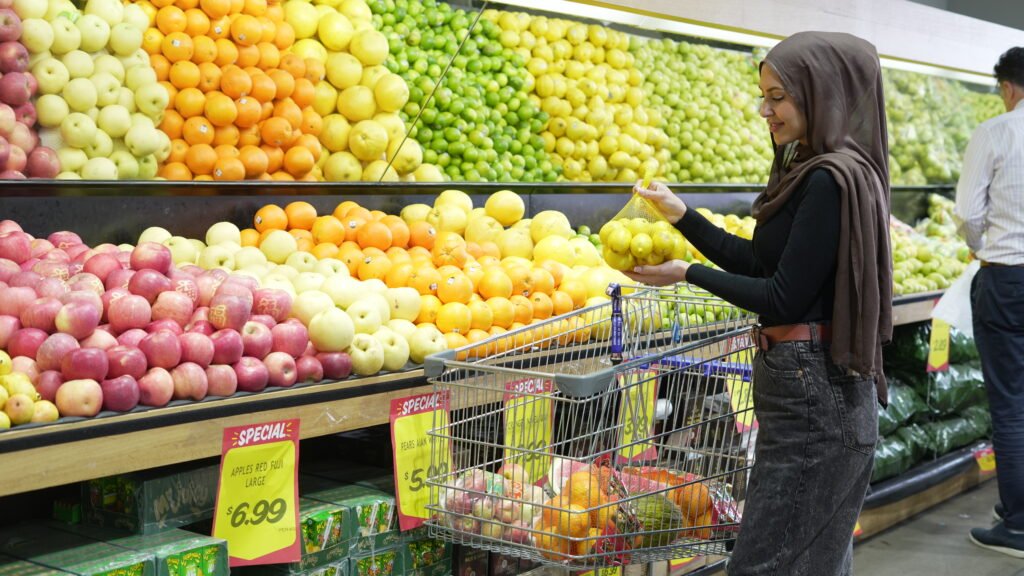
5. Look for Freshness Signs in Leafy Greens
Leafy vegetables can lose freshness quickly, so it is important to check them carefully.
When buying lettuce, spinach, coriander, or other leafy greens:
Look for:
- Crisp leaves
- Bright colour
- No excessive wilting
- No yellow or slimy sections
Fresh leafy greens should look lively and feel firm rather than tired or dry.
6. Avoid Common Mistakes When Buying Fresh Produce
Many shoppers accidentally choose lower-quality produce because they only focus on appearance.
Here are some common mistakes to avoid:
Choosing Only the Biggest Items
Bigger does not always mean better. Smaller fruits and vegetables can sometimes have better flavour.
Buying Too Much at Once
Buying more than your household needs can lead to food waste. Plan your meals and purchase quantities accordingly.
Ignoring Seasonal Availability
Out-of-season produce may not have the same taste or freshness compared to seasonal options.
Not Checking the Whole Item
Always check all sides of fruits and vegetables. Sometimes damage or bruising may be hidden underneath.
7. How to Store Fruits and Vegetables After Shopping
Choosing fresh produce is only the first step. Proper storage helps maintain freshness for longer.
Store leafy greens properly:
Wash them when needed and keep them dry in the refrigerator.
Keep some fruits separate:
Certain fruits release natural gases that can speed up ripening of nearby produce.
Store root vegetables correctly:
Keep potatoes, onions, and similar vegetables in a cool, dry place.
Use older produce first:
Organise your fridge so you use items before they lose freshness.
8. Why Shop Fresh Produce at Supa Fresh Market?
Finding a reliable local supermarket makes grocery shopping easier.
At Supa Fresh Market, customers can find a wide range of fresh fruits, vegetables, groceries, and everyday essentials in one convenient location.
A good local supermarket focuses on:
- Quality produce selection
- Fresh grocery options
- Convenient shopping experience
- Products suitable for everyday family meals
Whether you are preparing a quick weekday dinner, planning your weekly groceries, or looking for fresh ingredients, choosing quality produce makes every meal better.
Frequently Asked Questions
Fresh fruit usually has good colour, firm texture, and a natural smell. Avoid fruits with excessive bruising, soft spots, or unpleasant odours.
Organic produce can be a personal choice. The most important factor is choosing fresh, quality produce and washing fruits and vegetables properly before eating.
Vegetables like carrots, potatoes, onions, and cabbage generally last longer when stored correctly. Apples and citrus fruits can also stay fresh for longer periods.
Seasonal produce is often fresher, more flavourful, and better value because it is naturally available during that time of year.